Lisbon
Curated by Seven Places
Culture
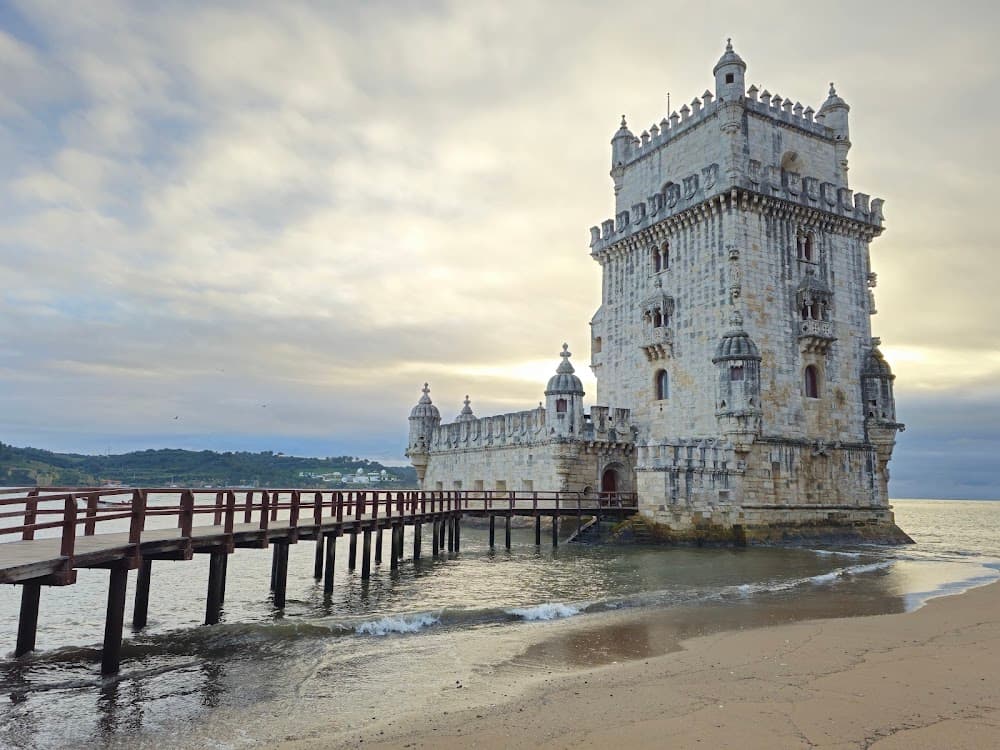
Belém Tower
A 1519 fortified river gate by Francisco de Arruda, encrusted with Manueline carving — rope motifs, armillary spheres, Moorish turrets. A UNESCO-listed emblem of Portugal's Age of Discovery standing in the Tagus.
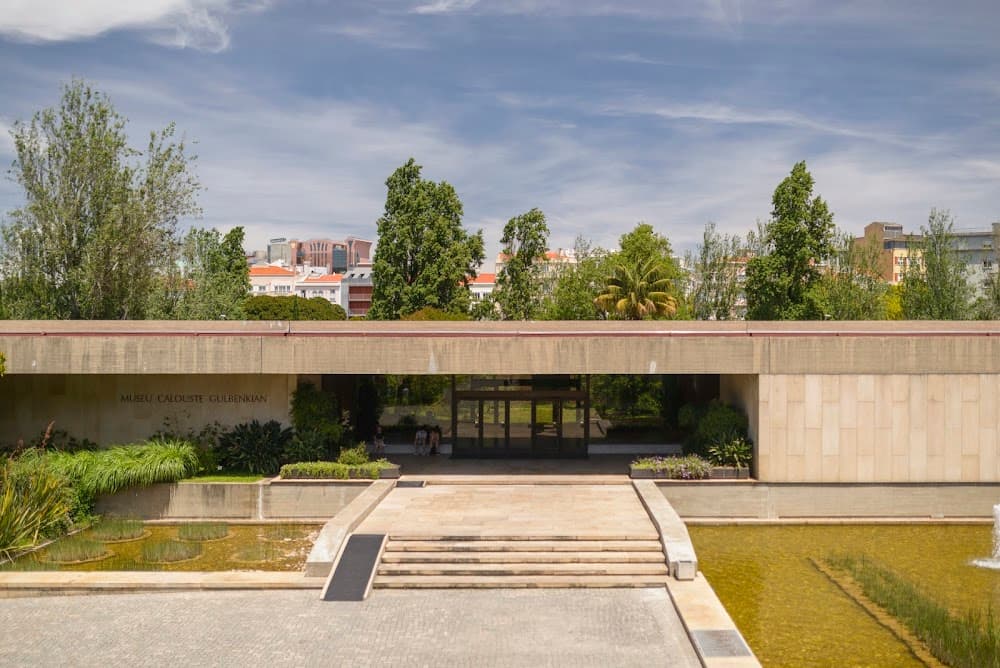
Calouste Gulbenkian Museum
A 1969 modernist ensemble set in lush gardens, low horizontal concrete pavilions that integrate art, landscape and light. A landmark of Portuguese modernism and one of the country's finest private collections, kept gloriously intact.
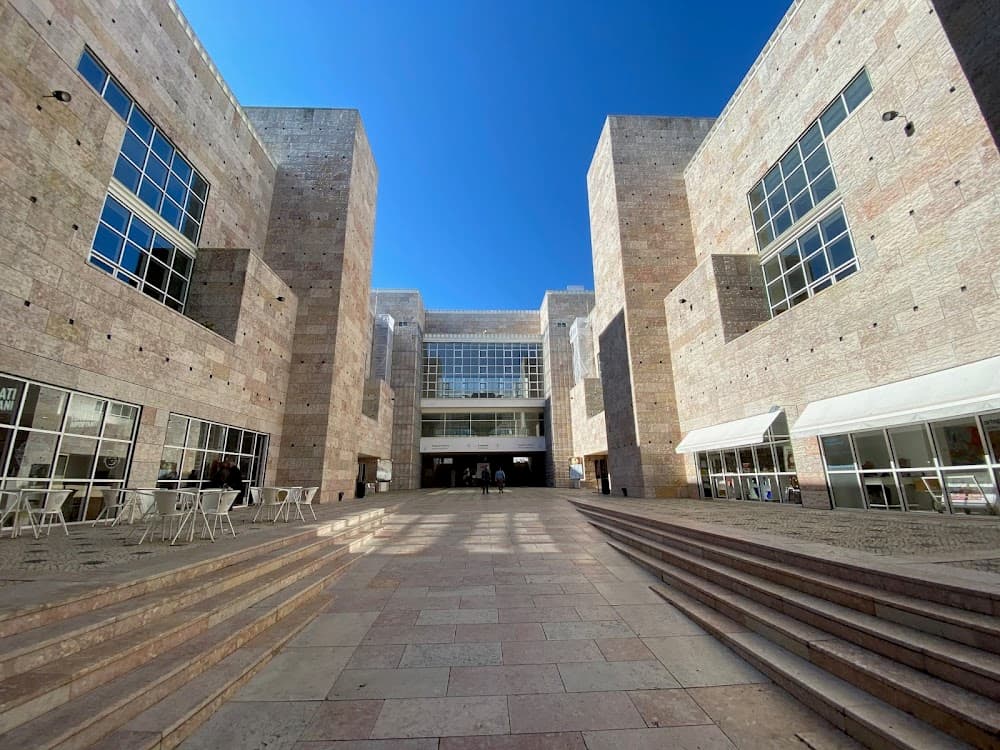
Centro Cultural de Belém
Vittorio Gregotti and Manuel Salgado's pink-stone cultural complex (1993), a fortress-like grid of courtyards beside the Jerónimos Monastery. Controversial for its scale, it has become a key venue for performance and the Berardo modern-art collection.
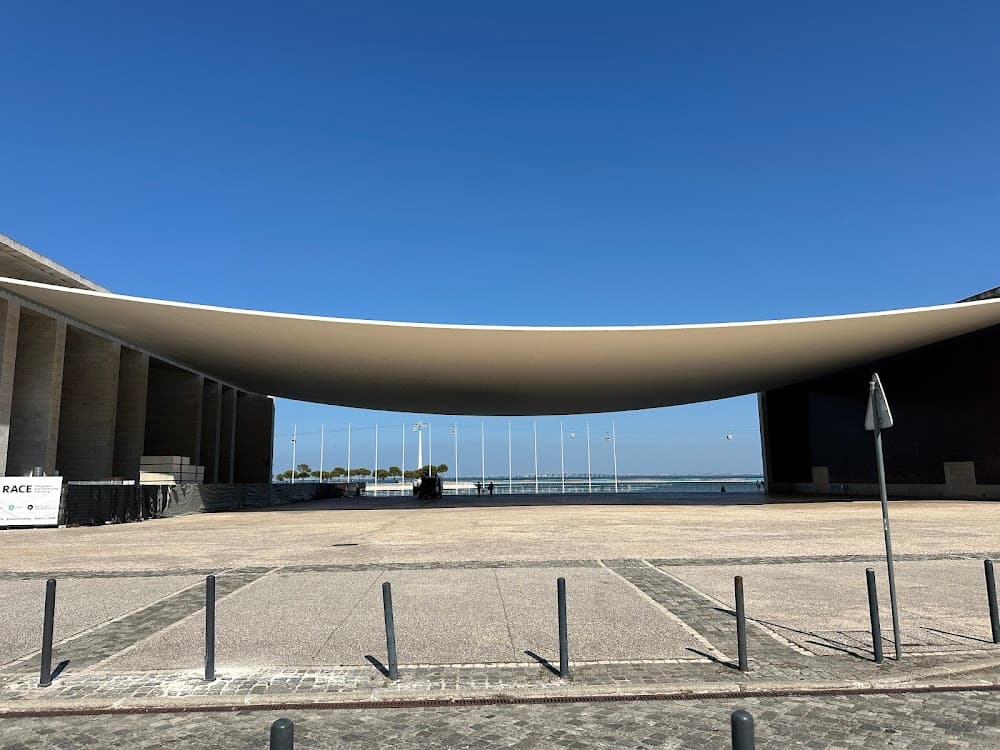
Centro de Exposições do Pavilhão de Portugal
Álvaro Siza's Expo '98 pavilion, famous for its impossibly thin concrete canopy that drapes between two porticoes like a sheet of fabric pinned at the edges. A virtuoso demonstration of structure by Portugal's Pritzker laureate.
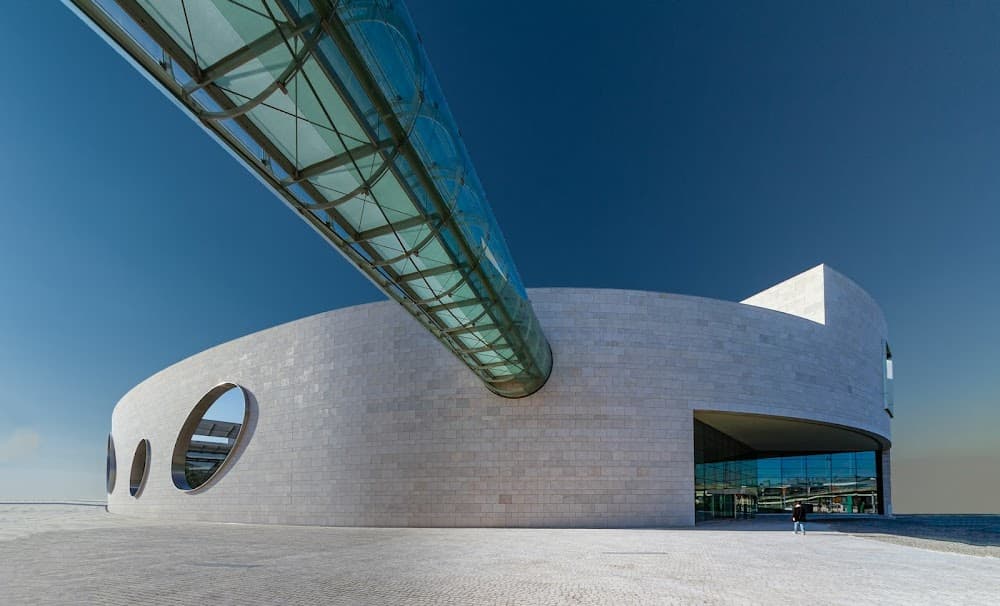
Champalimaud Foundation
Charles Correa's 2010 biomedical research campus at the river's edge in Belém, with curved cream-stone volumes framing a ceremonial outdoor 'gateway to the unknown' open to the Tagus. Monumental yet contemplative.
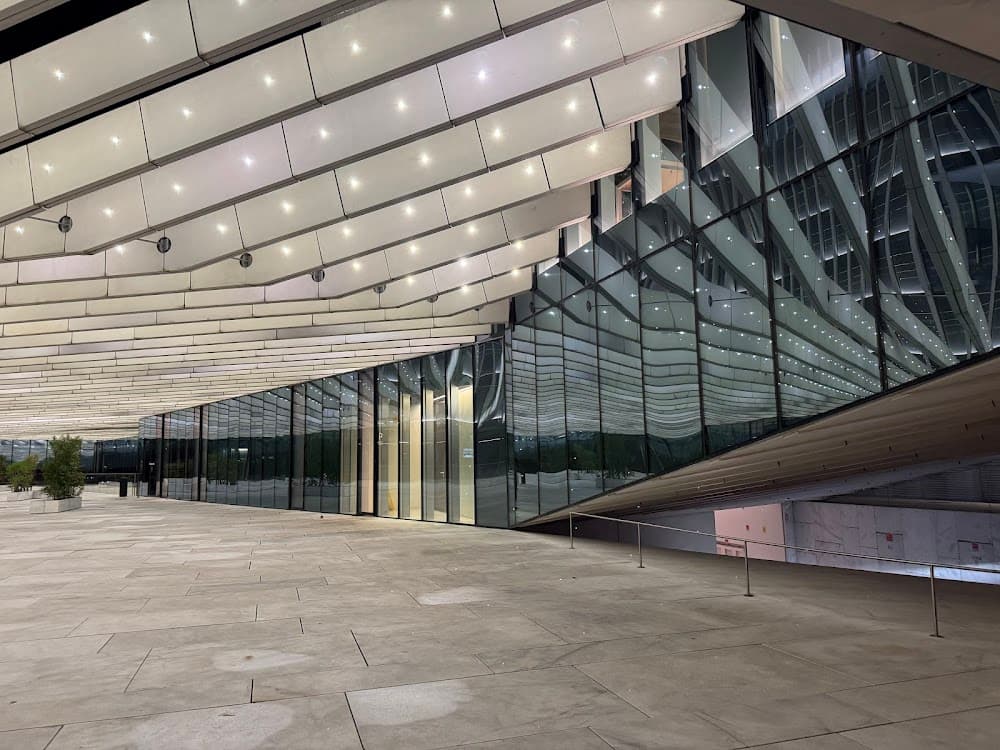
EDP Headquarters
Aires Mateus' energy-company headquarters (2015) near Cais do Sodré — two slab towers whose facades are screened by vertical stone-coloured fins that filter light and frame river views. Austere, rigorous and distinctly Portuguese.
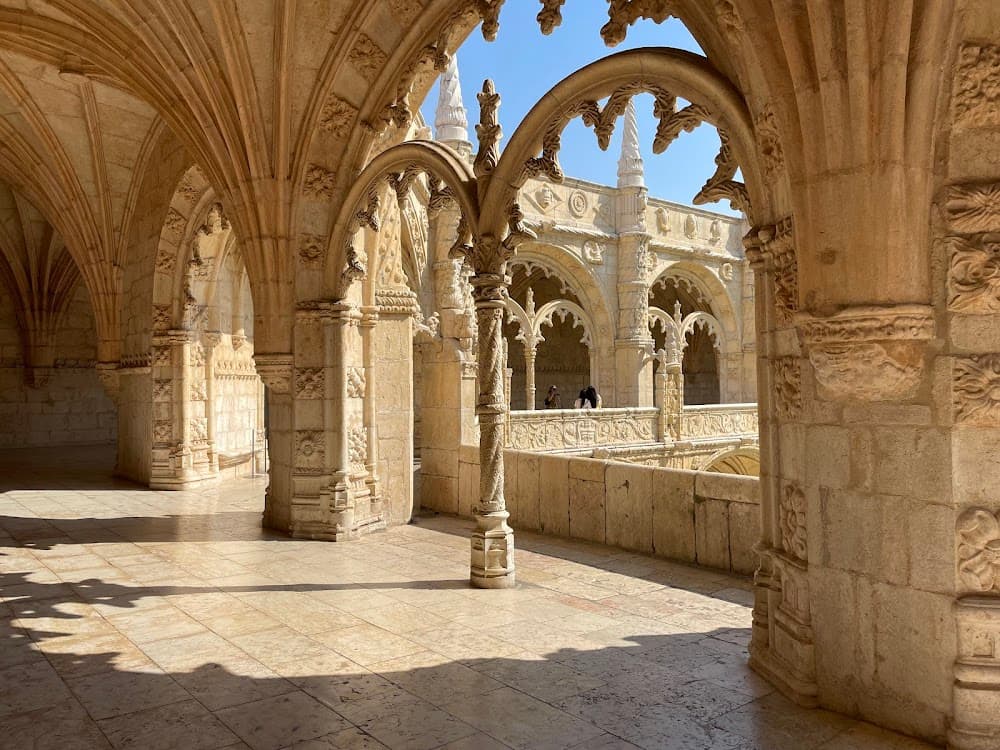
Jerónimos Monastery
The masterpiece of Manueline Gothic (begun 1501), its cloisters and nave a riot of maritime stone tracery funded by the spice trade. UNESCO-listed and the resting place of Vasco da Gama and Camões.
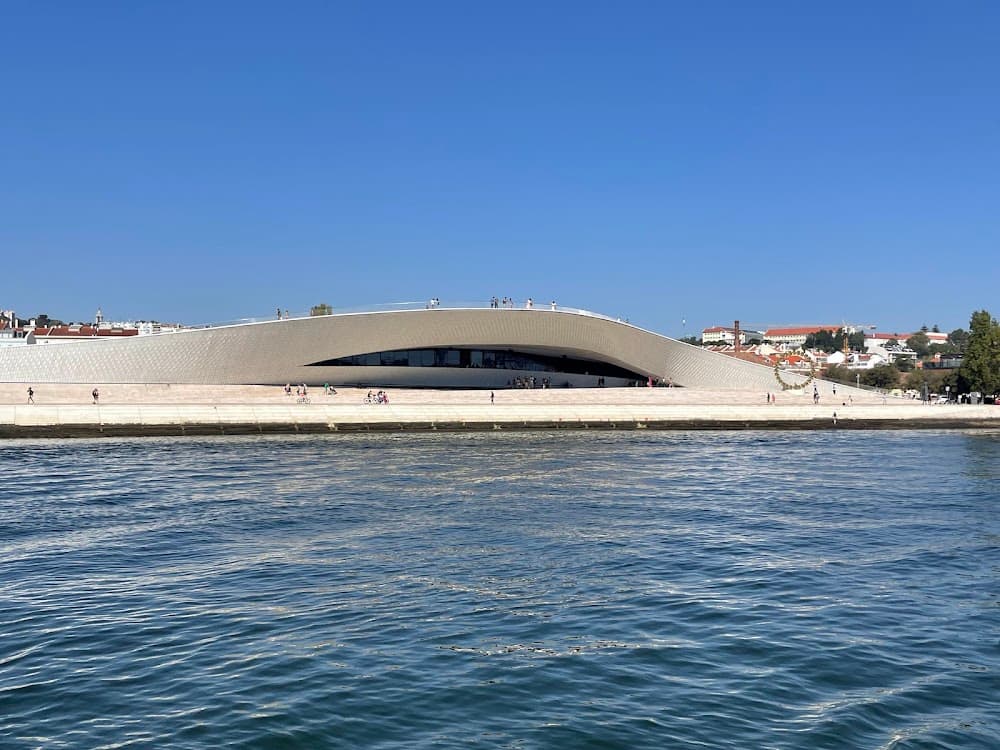
MAAT - Museum of Art, Architecture and Technology
Amanda Levete's Museum of Art, Architecture and Technology (2016) on the Belém waterfront — a low, undulating wave clad in glazed white tiles that ripples toward the Tagus. Visitors walk up and over its roof for river views.
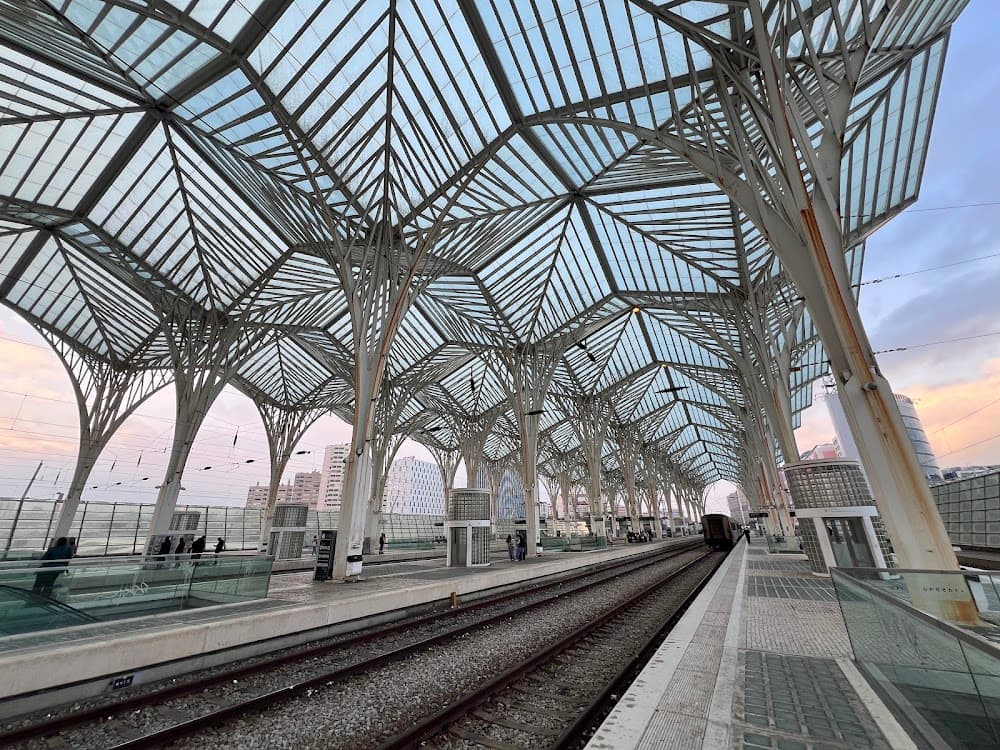
Oriente
Santiago Calatrava's station for Expo '98, where a canopy of branching white steel 'trees' shelters the platforms like a glass forest. The signature monument of the Parque das Nações district.
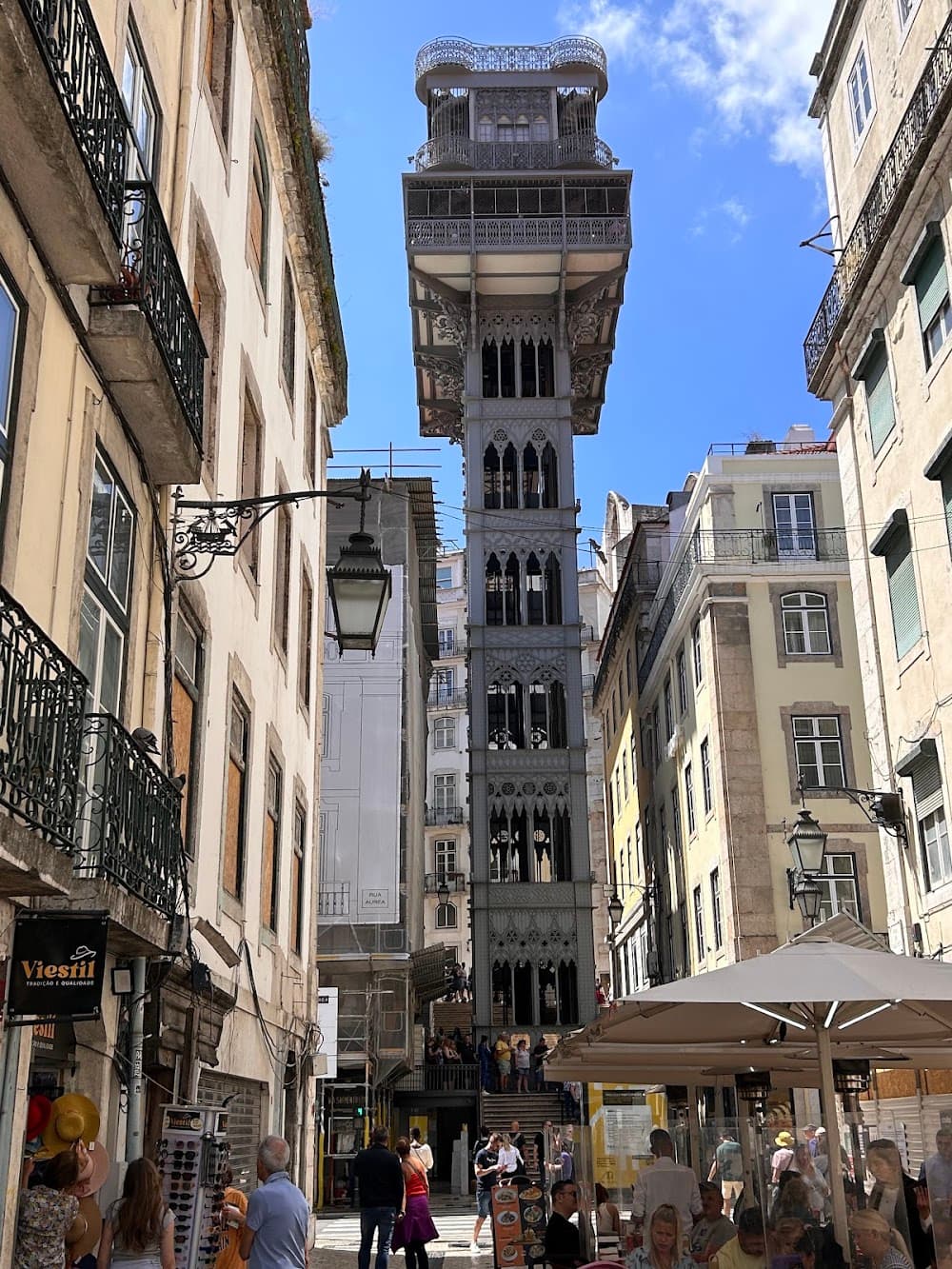
Santa Justa Lift
Raoul Mesnier du Ponsard's 1902 iron elevator linking the Baixa to the Carmo ruins above — a neo-Gothic filigree tower of cast iron, often linked (disputedly) to the Eiffel school. A vertical street that doubles as a viewpoint.